Commercial Waste Removal in Chiswick
Commercial waste removal in Chiswick should be practical, orderly and suited to the way a business actually operates. We handle a broad range of routine and one-off waste streams for offices, shops, hospitality premises and other commercial settings, helping keep workspaces clear while materials are moved onward for appropriate sorting and disposal. The emphasis is on removing waste without disrupting day-to-day trading more than necessary, and on making the process straightforward enough to fit around opening hours, deliveries and staff movements.
Our service covers general business waste together with mixed items that need separating before removal, including office contents, packaging, light fixtures and other non-hazardous material that businesses commonly accumulate. Where a site has different waste types in different parts of the building, the collection can be arranged to reflect that mix rather than treating everything as one pile. Clear descriptions of the items to be removed help ensure the right vehicles and handling are used, and they also make it easier to decide whether any material needs a more specific disposal route.
Use the pages below to understand the main service areas in more detail, then request a quotation when you are ready to compare options and arrange a collection time. If your waste includes specialist items, the relevant service information can help you identify the most suitable route before you contact us.
Business waste collections for workplaces
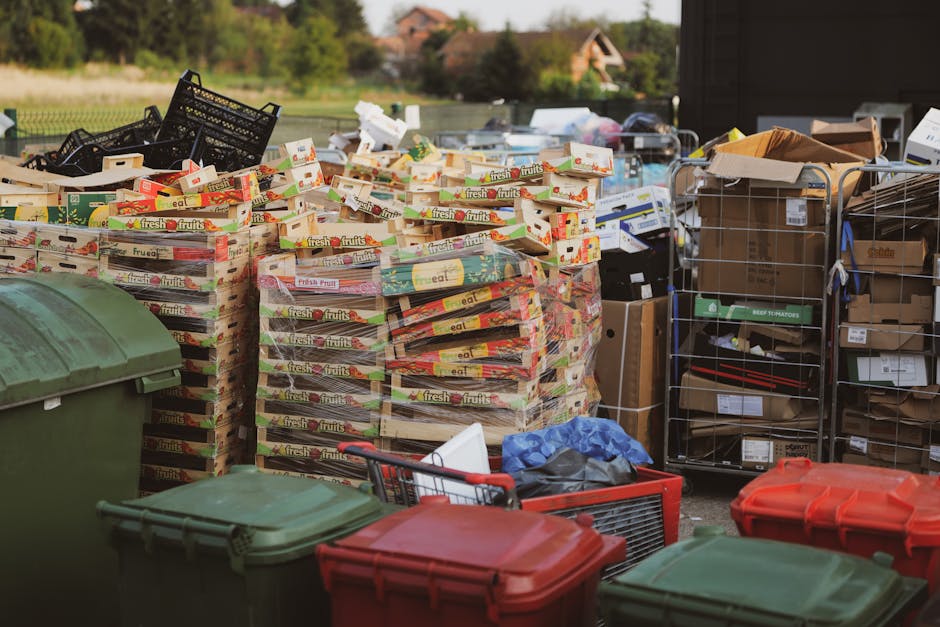
Business waste removal is often needed to clear everyday accumulated material that is no longer useful but still needs to be handled properly. That can include paperwork, packaging, display items, damaged stock, obsolete equipment and general refuse from back offices or shared staff areas. The key benefit is having a single arrangement for material that would otherwise be moved in stages or left to build up in storage rooms, corridors or loading areas. Collections can be planned around what is available on the day, which helps avoid unnecessary disruption.
When businesses are deciding what to remove, it is sensible to group items by type and condition before collection. That makes it easier to separate reusable furniture from waste, identify any items that require special handling and keep the process efficient. Typical commercial clearances may involve one department, a whole floor or a mixture of locations across a property. For larger or more varied loads, a short written summary of what is present can be useful before a quotation is issued.
What a commercial clearance can include
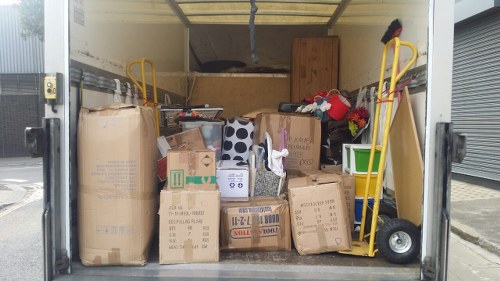
A business clearance is usually best approached as a controlled load rather than a general tidy-up. The work may involve lifting from internal rooms, shared storage spaces or external collection points, followed by sorting and removal to the appropriate destination. Because commercial premises often contain a mixture of office equipment, soft furnishings and packaging, a thoughtful approach is more effective than treating every item in the same way. Book online when you have the key details ready, or ask for advice if the waste composition is not yet fully clear.
Office waste removal and workspace clearances
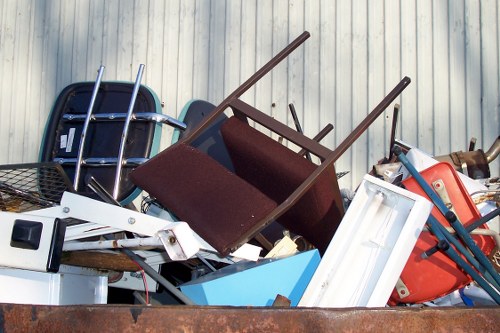
Office waste removal supports premises that need desks, chairs, filing cabinets, shelving, monitor stands or general workroom contents taken away in a measured way. This is especially useful during refurbishments, reconfigurations, relocations or routine clear-outs where old furniture and surplus materials are no longer needed. The service is centred on removing items efficiently while leaving the remaining workspace usable, rather than creating a bigger disruption than the waste itself.
Office clearances also tend to involve mixed materials, so the work often benefits from separating metal, wood, plastics and electrical items where appropriate. That can help with later processing and may reduce the amount of general waste sent onward as mixed load. In practical terms, businesses often want to know whether the clearance should include just furniture, or also loose office contents such as stationery, archived paper, printers and other desktop equipment. Defining that boundary early makes quotations clearer and avoids confusion on the day.
For workplaces that are upgrading their layout, office waste removal is usually only one part of the process. Planning access, lift use, loading points and item sequence helps the collection proceed smoothly. If some materials need to be retained for reuse or moved elsewhere on the same site, it is best to separate them before the clearance begins. That keeps the removal focused and helps the team work through the space in a logical order.
Furniture disposal and bulky item handling

Furniture disposal is a common requirement for commercial premises because chairs, tables, cabinets and reception items can quickly become awkward to store once they are no longer needed. We manage the removal of bulky furnishings that are ready to leave the site, with attention to safe handling and sensible sorting. Where items are still serviceable, it may be appropriate to keep them apart from waste so they can be considered separately from broken or heavily worn pieces.
Different furniture types can call for different handling methods. Flat-pack office units, heavy wooden pieces and upholstered items all present distinct lifting and loading considerations, especially in buildings with narrow stairs, shared corridors or tight access points. It is also useful to think about whether the items are located in one room or spread across several, because that affects the most efficient collection sequence. Businesses often find that a mixed furniture load is easier to manage when grouped in advance by size and material.
For many sites, furniture disposal is linked with wider clearance work rather than standing alone. A reception refresh, office move or stockroom reorganisation may leave behind a small volume of items that no longer fit the new layout. In those cases, the objective is simply to move the outdated pieces out cleanly and leave the area ready for its next use. When you are ready, use the contact route that suits you best and ask for a quotation.
Why commercial waste needs careful sorting
Commercial waste is rarely uniform. Even a modest business may produce paper, cardboard, plastics, damaged fittings, broken office equipment and occasional specialist items that should not be mixed together without thought. A careful sorting approach helps identify which material can be grouped, which should be separated and which requires specific handling. That matters because a better-organised load is usually easier to process and less likely to create delays during removal.
The decision-making process is often as important as the physical clearance itself. A business may need to choose between a full site clearance, a partial collection from one department or a phased removal across several visits. The right option depends on how the premises are used, how quickly the waste is accumulating and how much access is available. In some cases the best choice is not the largest clearance but the one that leaves the site easiest to operate afterwards.
Items that are often removed separately
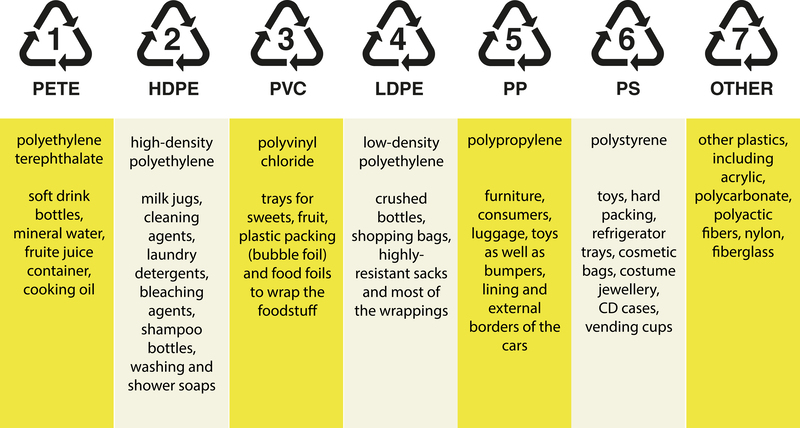
Some materials are better kept apart from the main load because they can benefit from distinct treatment or careful assessment before removal. Examples often include electrical items, confidential paper, appliances, upholstered furniture, damaged stock and mixed recyclable material. If a business already knows that one of these categories is present, flagging it early helps keep the quotation realistic and the collection plan efficient. For more specialised removal needs, the site’s other service pages can help you identify the most suitable route.
Office items, fittings and routine business clear-outs
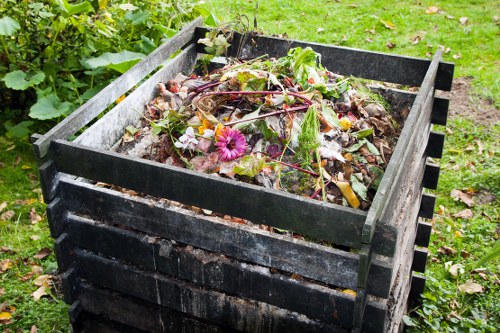
Routine business clear-outs usually involve more than simple rubbish removal. They can include cupboard contents, shelving, display boards, loose fittings, broken storage and surplus equipment that has lingered in offices or workrooms after upgrades. We can handle clear-outs that need a steady, practical approach rather than a rushed sweep, which is useful when several rooms or departments need attention. The aim is to remove only what is meant to go, while leaving the rest of the premises in usable order.
In commercial settings, the way items are arranged often affects how quickly the work can be completed. A reception area with large decorative pieces, a back office with mixed paper and equipment, and a storage room full of packed boxes all require slightly different handling. The more clearly the load is identified, the easier it becomes to estimate the scope. That is why a sensible clearance request usually describes the categories of waste as well as the general size of the job.
If you are comparing ways to deal with a business clear-out, it helps to think beyond the immediate removal and consider what should happen to the space afterwards. A thorough clearance can support redecorating, rearranging desks or preparing for maintenance, but only if the items are taken away in the right order. Once the volume and access points are understood, arranging the collection becomes much easier.
About Chiswick
Chiswick is a district in west London, set beside a well-known curve of the River Thames and associated with a long history of riverside settlement, suburban growth and later urban change. Its name appears in records from the medieval period, and the area developed from a combination of riverside hamlets, village centres and estates into a distinctive London district. Today, Chiswick is generally understood as part of the London Borough of Hounslow, although its identity is shaped by older parish and settlement boundaries as well as modern administrative divisions. One of the area’s most recognisable historic features is Chiswick House, an early 18th-century villa and garden landscape that reflects Palladian influence and remains a major architectural landmark. The district also includes stretches of the Thames Path, giving walkers continuous access to the river corridor, bridges and waterside views. Chiswick High Road forms a major commercial spine, while nearby streets retain a mixture of terraces, mansion blocks, shops and local services that reflect different phases of development. The area’s building stock ranges from Georgian and Victorian houses to later interwar and post-war additions, which gives it a layered appearance rather than a single architectural character. Parks and open spaces such as Chiswick House and Gardens, Dukes Meadows and smaller local greens add to the sense of a place shaped by both leisure and everyday urban life. The district is also known for cultural and sporting associations, including longstanding links to rowing, rugby and broadcasting, all of which contribute to a lively but residential atmosphere. As a result, Chiswick combines river scenery, historic fabric and active local streets in a way that feels distinctly west London, with much of its character coming from the relationship between the Thames, the main road corridor and the older domestic neighbourhoods set back from both.
Planning a clearance around access, timing and load size
Commercial collections work best when the practical details are clear from the outset. Access routes, parking restrictions, loading points and any internal stairs or lifts can all affect how a job is planned. It is also helpful to identify whether items are already gathered together or still distributed across the site. That information supports a more accurate quotation and reduces the chance of delays when the collection begins. Even a straightforward clearance can become more complicated if access is tight or the load is spread over several floors.
A short list of the key facts is often the most useful way to prepare: what needs removing, where it is located, whether there are any heavy or awkward pieces, and whether the site has any timing restrictions. If the waste includes mixed categories, it can help to note that too, because the load may need sorting into different handling streams. Good preparation does not need to be elaborate; it simply needs to give a realistic picture of the work.
For businesses with regular waste generation, it may be worth considering whether one-off removals or occasional collections are the better fit. Some sites have predictable peaks after refurbishments, seasonal changes or stock rotation, while others need an occasional clearance when storage reaches capacity. Either way, the most effective arrangement is the one that matches the actual amount and type of material present.
Specialist waste streams and extra care
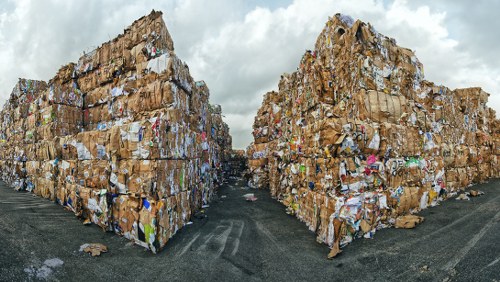
Some commercial loads need extra care because they contain items that cannot simply be treated as ordinary mixed waste. That may include appliances, confidential documents, potentially sensitive materials or items that should be checked for specific disposal requirements. While not every collection will involve specialist handling, it is useful to identify these items early so the right process can be followed. This keeps the removal accurate and avoids last-minute changes.
Where a business has a load that includes a combination of ordinary waste and specialist items, it is best not to leave the distinction until collection day. A clear description of the contents helps establish whether a separate service is appropriate or whether the job can proceed as part of a broader commercial waste removal. In many cases, businesses benefit from choosing a service page that matches the dominant waste type, then adding the extra details in the quotation request.
Use the relevant service pages to narrow down the right option, then send your details through when you are ready for a quotation. If you already know what needs to be removed, a concise summary is often enough to get started.
Pricing factors and quotation details
Commercial waste removal pricing is typically shaped by the amount of material, the type of items involved, access conditions and the time needed to load everything safely. Mixed waste, bulky furniture and items requiring separate handling can each affect the overall scope. The quotation process therefore works best when it is based on an honest picture of what is present rather than a broad estimate that leaves too much uncertain. That is especially true where the load includes several categories of material.
When requesting a quotation, businesses usually save time by explaining whether the waste is all in one place or spread across several rooms, whether any items are especially heavy or awkward, and whether the collection must fit around opening hours or building access rules. If photos or a basic inventory are available, they can support a clearer estimate, but they are not always essential. The real aim is simply to describe the job accurately enough for the most suitable arrangement to be suggested.
For some premises, the right response is a single clearance; for others, it may be a phased approach that handles the site in stages. The decision depends on the pattern of waste, the available space and the business’s plans for the area afterwards. Once the load has been assessed, the quotation can reflect the actual work rather than a generic assumption.
Book the right collection for your premises
If your business is ready to clear waste in Chiswick, the next step is usually to match the items with the most suitable service page and then make a straightforward enquiry. This helps ensure the load is described clearly and the collection can be planned around the property’s access and timing. For many customers, the useful part of the process is not just getting items moved, but making sure the space is left ready for whatever comes next, whether that is storage, refurbishment or daily operation.
We can support business customers with clear, practical removal arrangements for mixed office and commercial waste, bulky items and related clear-outs. If you have a load that contains several item types, or if you are not sure which service page best fits the job, start with the closest match and add the specifics in your enquiry. That usually gives the clearest picture of what needs to happen and makes the quotation easier to prepare.
When you are ready, request a quotation and describe the waste, access and timing in plain terms. A focused message is often all that is needed to move from initial plan to booked collection.