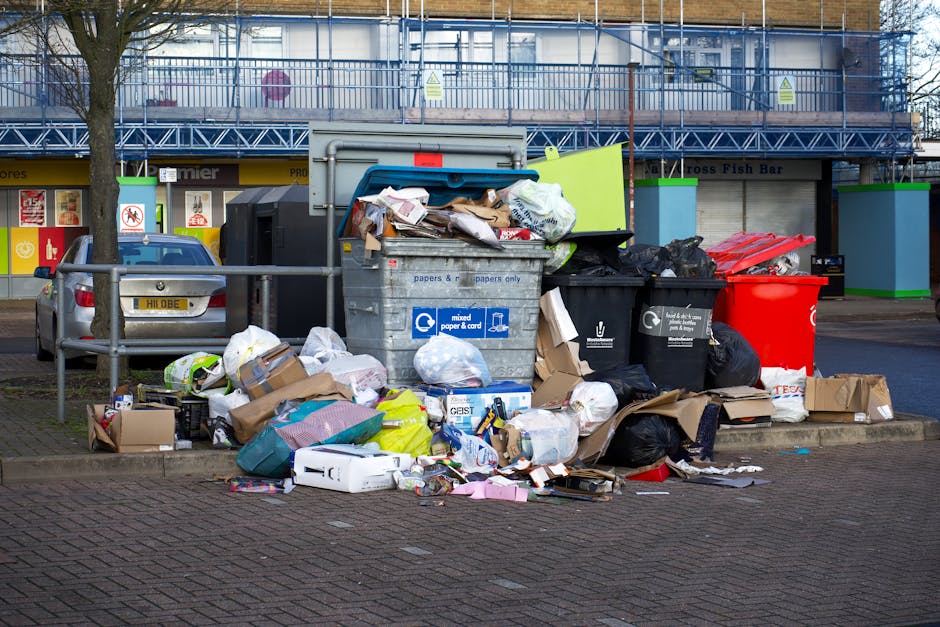
W4 postcode household rubbish collection spots in Chiswick: a practical local guide
If you live in Chiswick and you are trying to work out the best W4 postcode household rubbish collection spots in Chiswick, you are not alone. It sounds straightforward until you are standing there with a few black bags, a broken chair, and no time to guess the right place or the right process. Truth be told, a lot of wasted effort happens because people are unsure where household rubbish should go, what can be left safely, and when a more complete clearance service makes life easier.
This guide breaks the topic down in plain English. You will get a clear sense of how household rubbish collection spots work in W4, why they matter, what to avoid, and how to choose the most sensible option for your home, flat, or garden clear-out. We will also look at practical alternatives for larger or awkward waste, because sometimes the simplest-looking job is the one that turns into a small weekend saga.
Whether you are clearing a loft, replacing a sofa, dealing with after-renovation debris, or just trying to stop bags piling up by the hallway, this article should help you make a calmer, smarter decision. Let's get into it.
Why W4 postcode household rubbish collection spots in Chiswick Matters
Household rubbish collection spots matter because they sit right at the point where convenience, local rules, and day-to-day reality meet. In a neighbourhood like Chiswick, where homes range from compact flats to larger terraces and family houses, the path from "bag of rubbish" to "properly removed waste" is not always obvious.
For many people, the problem is not the rubbish itself. It is the timing, access, and volume. A few bags can seem harmless, until bin day is missed, communal storage fills up, or the item in question turns out to be too large for ordinary collection. A mattress, a chipped wardrobe, an old microwave, and a stack of flat-pack offcuts all behave differently. A bit annoying, but that is real life.
W4 postcode household rubbish collection spots in Chiswick also matter because the wrong disposal choice can create clutter, spoil communal areas, or lead to avoidable costs. If waste is left in the wrong place, you risk complaints from neighbours, delays for building managers, or extra handling fees. In busy residential streets, that can become awkward quickly.
There is also a practical fairness issue. If you know exactly where waste should go, and what the collection point expects, you reduce the load on everyone else. That means fewer overfilled bins, fewer loose bags on pavements, and a cleaner shared environment. Not glamorous, but very worthwhile.
For households that generate varied waste, it is often helpful to think beyond basic bin use. A waste removal service or a specific clearance option may make more sense when the waste is bulky, mixed, or simply too much for the usual collection routine.
Expert summary: the best rubbish collection spot is not just the nearest bin or bay. It is the one that matches access, waste type, frequency, and the rules of the property or street. That simple distinction saves time, mess, and hassle.
How W4 postcode household rubbish collection spots in Chiswick Works
At a practical level, "collection spots" means the designated places where household waste is expected to be left, stored, or presented for removal. In some homes that might be a kerbside bin. In others it could be a communal bin store, a rear alley, a managed collection point, or a temporary loading space used during a house clearance.
The details vary, and that is where people get tripped up. A spot that works for one street may be unusable a few doors down. Some buildings rely on shared bins; others have no easy access at all. Basement flats and top-floor conversions, for instance, can be very different from a house with front-garden storage. And if you have ever carried a heavy bin bag down several flights of stairs at 7:30 on a damp London morning, you will know the difference.
The process usually follows a simple pattern:
- Identify what type of rubbish you have: general household waste, recyclables, bulky items, garden cuttings, or mixed clear-out waste.
- Check the normal collection point for the property: bin store, kerbside area, alley access, or a designated loading area.
- Separate items that need special handling, such as fridges, sofas, or anything potentially hazardous.
- Present the waste in a way that is safe, tidy, and easy to collect.
- Choose a more suitable clearance route when the waste is too large, too heavy, or too mixed for routine collection.
That last step matters more than people expect. If your waste looks like a small moving-day aftermath rather than a tidy weekly bin load, a more complete service such as home clearance or house clearance may be a better fit than trying to force everything into a collection spot that was never designed for it.
In households with flats or shared entrances, access can be the deciding factor. If waste has to be carried through communal hallways, down narrow stairs, or across shared courtyards, it is worth planning ahead. Small things become bigger things very quickly when the route is awkward.
Key Benefits and Practical Advantages
Getting household rubbish to the right collection point in W4 is not just about tidiness. There are some direct, practical benefits that make daily life easier.
- Less clutter indoors: rubbish gets out of hallways, kitchens, balconies, and utility spaces faster.
- Cleaner shared areas: managed collection spots help reduce spill-over into communal entrances and pavements.
- Lower risk of missed collections: waste placed correctly is more likely to be picked up without delay.
- Better sorting: separating general waste from bulky or specialist items makes disposal smoother.
- Less stress during clear-outs: if you are moving, renovating, or decluttering, a clear collection plan keeps the job moving.
- Improved safety: fewer loose bags and sharp objects means fewer trip hazards and less lifting trouble.
There is a quieter benefit too: peace of mind. Once you know where things go, you stop second-guessing every bag. That sounds small, but it makes a surprisingly big difference during a busy week.
For larger waste streams, it can also be more cost-aware to use a tailored option rather than keep paying in time and inconvenience. For example, furniture and appliance items often need separate handling, which is why dedicated services such as furniture disposal and fridge and appliance removal can be a cleaner solution than trying to improvise.
Who This Is For and When It Makes Sense
This topic is relevant to a lot of people, not just those doing a full home clear-out. In practice, W4 postcode household rubbish collection spots in Chiswick matter for:
- homeowners who are decluttering room by room
- tenants leaving a flat and needing a tidy handover
- landlords preparing a property between occupancies
- families replacing bulky furniture or appliances
- people dealing with garden waste after weekend work
- households with little storage for rubbish between collections
- anyone living in a property with awkward access or shared bins
It makes sense to pay attention when you notice one of a few common triggers. Maybe the kitchen bin is overflowing before collection day. Maybe the cellar or loft has turned into a holding zone for things "to be dealt with later". Or maybe you are at the stage where the rubbish is no longer rubbish, it is just a house that needs sorting. Happens to the best of us.
If the issue is mainly furniture, loft clutter, or a whole-room refresh, it may be worth looking at options like mattress and sofa disposal, loft clearance, or furniture clearance rather than trying to manage everything through a standard household collection point.
Step-by-Step Guidance
If you want a straightforward way to handle household rubbish collection in W4 without wasting time, use this approach.
- Start with the waste type. Separate normal household bags from bulky items, garden waste, and anything potentially hazardous.
- Check your property layout. Ask where waste should be placed: kerbside, bin store, rear access, or a managed pickup point.
- Think in loads, not piles. If the waste is more than one person can move safely, that is usually your sign to plan a proper clearance.
- Bag or bundle items sensibly. Loose waste is messy and can be harder to handle. Keep small waste contained.
- Keep walkways clear. Do not block entrances, shared paths, or fire exits. Simple, but often overlooked.
- Protect yourself and others. Use gloves for sharp or dirty items, and never lift something that feels too heavy or unstable.
- Match the disposal route to the item. General rubbish, furniture, appliances, and garden waste often need different handling.
- Book help when needed. If the amount has snowballed, a professional team can clear it in one visit and leave the area tidy.
A good rule of thumb: if you need three trips, two sort piles, and a neighbour's patience to move it all, the job may already have outgrown the collection spot.
For mixed household waste that includes renovation debris, it can help to review what is acceptable in a skip-style load. The page on what can go in a skip is a useful starting point when you are deciding what belongs together and what does not.
Expert Tips for Better Results
A few small habits can make a very ordinary rubbish job much easier.
- Pre-sort before collection day. Mixing everything together is the fastest way to create delay later.
- Break down what you safely can. Flatten boxes, disassemble simple furniture, and remove loose parts.
- Keep wet waste separate where possible. It is heavier, smellier, and more unpleasant to handle.
- Plan for access, not just volume. Narrow staircases, parked cars, and shared entrances affect how a collection is done.
- Protect soft furnishings and floors. A blanket or sheet under awkward items can prevent scuffs and drips.
- Be realistic about timing. Decluttering always takes longer than it looks from the doorway, always.
If you are clearing a garden as well as indoor spaces, it may be worth combining jobs where possible. A single, well-planned visit for garden clearance and household waste can save you from repeating the same lift-and-carry routine twice.
Another useful tip: keep one "decision box" for items you are not sure about. That stops you from stalling halfway through the job. Decide later, but not too much later.
Common Mistakes to Avoid
Most rubbish collection problems come from a handful of avoidable mistakes. Here are the big ones.
- Leaving waste in the wrong location: even tidy bags can cause issues if they are placed where collection is not expected.
- Overfilling bags or bins: this makes lifting harder and increases the chance of spills or splits.
- Mixing ordinary waste with special items: appliances, furniture, and potentially hazardous materials often need different handling.
- Ignoring access constraints: if the collection crew cannot safely reach the waste, the whole process slows down.
- Using communal space as storage: this is one of the fastest ways to annoy neighbours. Fair enough, really.
- Waiting until the last minute: small delays become big ones when the waste is already in the way.
One mistake that people often overlook is assuming all rubbish is the same. A bag of paper, a broken wardrobe, and a cracked freezer are not interchangeable, even if they are all "stuff to get rid of". If you are unsure, use the right service rather than taking a guess.
Tools, Resources and Recommendations
You do not need a huge toolkit to manage household rubbish properly, but a few simple items help a lot.
- strong bin bags or rubble sacks for general waste
- gloves for handling dirty or sharp items
- marker labels if you need to separate piles by room or type
- tape, ties, or straps for bundling safe loose materials
- a torch for lofts, basements, and rear access areas
- a trolley or sack truck for heavier items, if the layout allows
On the service side, a few website pages can help you think through different disposal needs. If you are dealing with multiple rooms, flat clearance is often relevant for compact homes and apartments. If the job includes confidential papers, confidential shredding may be a sensible add-on. And if you are balancing a larger project, the broader waste removal service overview can help you compare your options.
For people who want a cleaner booking process and clear expectations, the pages on pricing and quotes, book online, and payment and security are useful points of reference. If you are checking how a provider approaches safety, insurance and safety and health and safety policy are worth a look too.
Law, Compliance, Standards, or Best Practice
With household rubbish, best practice matters even when the job feels routine. In the UK, waste should be handled responsibly, and householders should avoid dumping, fly-tipping, or leaving waste in a way that creates a nuisance or hazard. You do not need to become a compliance expert overnight, but you do need to be sensible and cautious.
The safest approach is to separate waste by type, keep public and shared spaces clear, and use appropriate disposal routes for items that are bulky, electrical, sharp, or potentially hazardous. If you are not sure whether something belongs with ordinary household rubbish, treat that uncertainty as a signal to pause rather than push ahead.
From a practical standpoint, good standards usually include:
- safe lifting and carrying
- clear access to collection points
- no obstruction of entrances or fire routes
- responsible handling of electrical or specialist items
- tidy presentation of waste
- clear communication where multiple residents share a space
Hazardous items deserve particular care. Paint tins, chemicals, sharps, and certain electrical components should never be treated like everyday rubbish just because they are inconvenient. If there is any doubt, specialist handling is the safer route. For that kind of waste, the relevant page is hazardous waste disposal.
Best practice is really simple at heart: don't make tomorrow's problem worse today. That principle saves money, arguments, and a lot of awkward lifting.
Options, Methods, or Comparison Table
Different waste situations call for different methods. Here is a straightforward comparison to help you choose.
| Method | Best for | Strengths | Limits |
|---|---|---|---|
| Standard household collection spot | Routine bags and everyday waste | Simple, familiar, low effort | Not ideal for bulky or mixed loads |
| Communal bin store or managed pickup point | Flats and shared properties | Works well when access is organised | Can become crowded or misused |
| Targeted item disposal | Single bulky items like sofas or appliances | Efficient for awkward objects | Not suitable for large mixed clear-outs |
| Room-by-room clearance | Lofts, garages, whole flats, or full homes | More complete and less stressful | Needs planning and usually costs more than a single bag drop-off |
| Garden or builder-style clearance | Outdoor waste and renovation leftovers | Handles heavier, messier material well | May need careful sorting and access planning |
It is not about choosing the fanciest option. It is about choosing the least frustrating one. A good disposal method should match the job in front of you, not the job you wish you had.
If the waste is part of a bigger home project, a broader clearance route can be better value. For example, a garage clearance can remove far more in one go than a series of small collection spot trips, especially where the garage has become the unofficial home of broken chairs, paint tins, and forgotten boxes. We have all got one of those spaces somewhere, haven't we?
Case Study or Real-World Example
Imagine a Chiswick household in a second-floor flat. Over a few months, they have gathered two broken dining chairs, a mattress, several black bags of general clutter, and a small pile of old garden pots on the balcony. The building has a shared bin store, but it is already tight on space, and the lift is not ideal for awkward items.
At first, they think the answer is simply to wait for routine collection day. But once they try moving the mattress through the hallway, they realise the problem is less about rubbish and more about access. The bags are manageable. The mattress is not. The chairs can be broken down. The pots can be grouped. The balcony items are easy enough, but the shared route is the bottleneck.
So they split the job. Daily waste goes to the regular collection point. The bulky and awkward items are handled through a scheduled clearance visit. The result is calmer, safer, and actually quicker than trying to squeeze everything into one ordinary collection cycle.
That is a common pattern, by the way. Once you separate "regular" rubbish from "stuff that needs a proper plan", the whole thing becomes much less stressful. Small win, but a real one.
Practical Checklist
Use this checklist before moving anything to a household rubbish collection spot in W4.
- Have I identified the waste type correctly?
- Is this item suitable for ordinary household collection?
- Do I know the correct collection point for my property?
- Will the path to the collection point stay clear and safe?
- Have I separated bulky, electrical, or hazardous items?
- Are the bags or bundles secure and easy to lift?
- Do I need gloves, a trolley, or help from another person?
- Would a dedicated clearance service save time and hassle?
- Have I checked whether this is a shared or communal space?
- Is the final stack tidy enough not to block anyone or anything?
Quick takeaway: if the waste is simple, a collection spot may be all you need. If it is bulky, mixed, or awkward to move, step back and choose a better-fit solution before the job gets messy.
For larger household clear-outs, the services page for house clearance is a logical next step, while home clearance may suit smaller or more flexible jobs. Either way, choosing the right route early tends to save both time and energy.
Conclusion
W4 postcode household rubbish collection spots in Chiswick are really about making the ordinary parts of waste disposal work better in real homes. Once you understand your property layout, the type of waste you have, and the limits of standard collection, the whole process becomes much more manageable.
The best outcome is usually the simplest one: keep routine waste routine, keep shared spaces clear, and move anything bulky, mixed, or awkward into a more suitable disposal route before it creates stress. That way, you are not fighting the system. You are just using it properly.
And if your rubbish job has grown bigger than expected, that is fine. Happens all the time. The important thing is to deal with it in a way that is safe, tidy, and not a drain on your week.
Get a free quote today and see how much you can save.
Frequently Asked Questions
What are W4 postcode household rubbish collection spots in Chiswick?
They are the designated places where household waste is meant to be presented or stored for collection in the W4 area of Chiswick. That might be a kerbside bin, communal bin store, rear access point, or another property-specific collection location.
Can I leave bulky items at a normal household collection spot?
Usually not if the item is too large or awkward for standard collection. Sofas, mattresses, and appliances often need a more suitable disposal route because they are harder to move safely and may not be accepted as routine waste.
How do I know if my rubbish is suitable for a collection spot?
If it is everyday bagged household waste and your property allows that method, it is usually suitable. If it is mixed, sharp, heavy, wet, electrical, or bulky, it may need separate handling.
What should I do if my bin store is full?
Do not leave waste blocking entrances or shared areas. Hold it back if possible, separate what can be safely stored, and consider whether a one-off clearance would be more practical than waiting for space to appear.
Is there a difference between regular rubbish and clearance waste?
Yes. Regular rubbish is your normal household waste. Clearance waste often includes bulky items, multiple bags, furniture, loft contents, garden waste, or mixed materials from decluttering and moving.
What is the safest way to handle old furniture?
Break it down only if it can be done safely, remove loose parts, and avoid forcing it through tight spaces. For bigger items, a dedicated furniture disposal or furniture clearance service is usually the easier option.
Can I mix garden waste with household rubbish?
You can only do that if the disposal route accepts mixed waste. In many cases, keeping garden waste separate makes collection and processing much simpler. Wet soil and cuttings can also add weight quickly.
What if I live in a flat with shared bins?
Then access, timing, and space matter even more. Be considerate with what you leave, keep the area tidy, and make sure waste does not block other residents. Flat living adds a layer of logistics, plain and simple.
When should I use a full house clearance instead of a collection spot?
If you are clearing several rooms, dealing with bulky items, or trying to finish a move or renovation, a house clearance is often more efficient than repeated trips to a collection point.
Are electrical items treated differently from normal rubbish?
Yes, they often are. Electrical items and appliances can require specific handling, especially if they contain wiring, refrigerants, or internal components that should not go in ordinary waste.
How do I avoid common rubbish collection problems in W4?
Separate items early, keep access clear, do not overfill bags, and choose the right disposal method for the waste type. If something looks questionable, treat that as a sign to double-check before moving it.
What is the best next step if I have too much rubbish to manage alone?
Use a service that matches the scale of the job. That may be waste removal, flat clearance, garden clearance, or a more complete home or house clearance depending on what you need to get rid of.
If you want to understand the company behind these services, you can also look at the about us page or review the recycling and sustainability approach before deciding how you want to proceed.