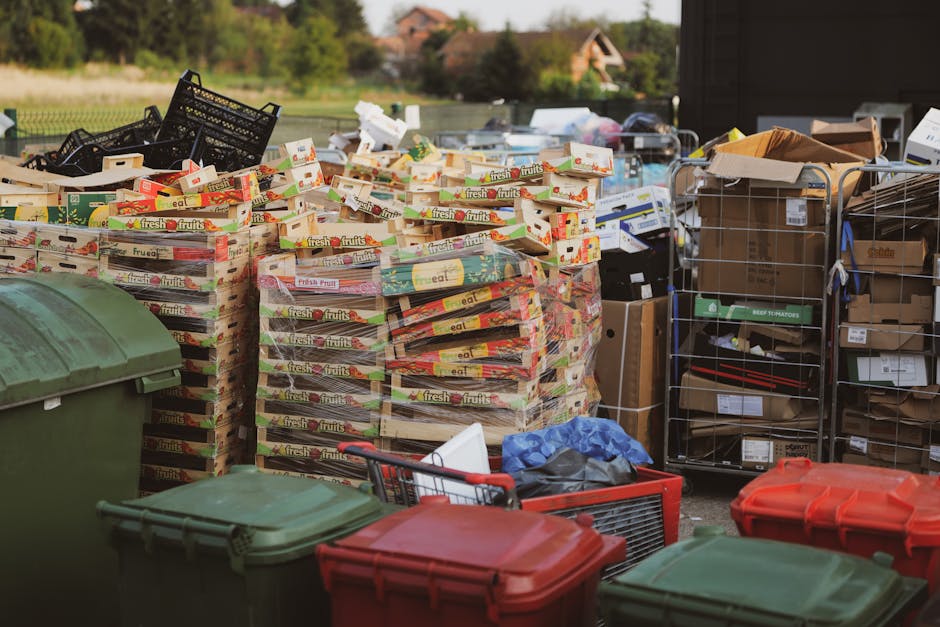
Turnham Green urgent rubbish clearance tips for Chiswick
If you are dealing with a sudden pile-up of rubbish near Turnham Green, you will know the feeling: the hallway starts to narrow, the smell gets a bit stale, and the whole place feels harder to manage by the hour. Whether it is after a last-minute flat move, a small office clear-out, post-builders mess, or a garden job that ran longer than expected, Turnham Green urgent rubbish clearance tips for Chiswick can help you act quickly without making a rushed mistake.
This guide is built for real-life urgency. Not the perfect, tidy sort. The actual sort where you need the waste gone, the space usable, and the next step obvious. We will cover what urgent rubbish clearance means, how to approach it in Chiswick, what to check before booking, and how to keep the process safe, efficient, and calm. Simple enough, but there are a few traps worth avoiding.
One useful early step: if you know the load includes bulky furniture, a fridge, a mattress, or mixed household waste, it is worth looking at specific services such as furniture disposal, fridge and appliance removal, or mattress and sofa disposal. Matching the job to the right clearance type usually saves time. And time is the whole point here.
Table of Contents
- Why Turnham Green urgent rubbish clearance tips for Chiswick Matters
- How Turnham Green urgent rubbish clearance tips for Chiswick Works
- Key Benefits and Practical Advantages
- Who This Is For and When It Makes Sense
- Step-by-Step Guidance
- Expert Tips for Better Results
- Common Mistakes to Avoid
- Tools, Resources and Recommendations
- Law, Compliance, Standards, or Best Practice
- Options, Methods, or Comparison Table
- Case Study or Real-World Example
- Practical Checklist
- Conclusion
- Frequently Asked Questions
Why Turnham Green urgent rubbish clearance tips for Chiswick Matters
Urgent rubbish clearance is not just about tidying up. In a busy area like Turnham Green, waste can quickly become a practical problem. A blocked entrance, cluttered pavement space, overfilled bin area, or piles of renovation debris can slow down daily life and make a property harder to use. If you are moving, running a business, or trying to get a rental ready, delay tends to cost more than you expect.
There is also a safety angle. Loose bags, broken furniture, sharp offcuts, and old appliances can create trip hazards or attract pests. That is especially annoying when you have guests arriving, a letting agent due, tradespeople waiting, or just a normal Monday morning already looking miserable enough.
In Chiswick, urgent clearance is often about handling mixed waste efficiently rather than stripping a place bare. The best results usually come from sorting what can stay, what must go, and what needs specialist handling. That is why many people combine broader waste removal with a more targeted service like house clearance, flat clearance, or garage clearance, depending on the space and the type of waste involved.
Practical takeaway: urgent rubbish clearance works best when you treat it as a quick logistics job, not just a bin-emptying exercise. The faster you identify the waste type, access issues, and disposal risks, the smoother the whole thing becomes.
How Turnham Green urgent rubbish clearance tips for Chiswick Works
Most urgent clearances follow the same basic pattern, though the details depend on the property and the waste load. First, you assess what needs removing. Then you decide whether it is a small load, a bulky clearance, mixed waste, or something that needs careful handling. After that, you arrange a collection, prepare access, and make sure the items are ready to lift out without delay.
For a typical Chiswick property, the workflow is pretty straightforward. You identify the items, separate obvious reuse or recycle candidates, keep anything hazardous apart, and clear a path to the front door or collection point. If you are in a flat, stairwell access and parking become important very quickly. If you are in a house, it is usually more about volume and weight.
Some jobs need a more specialised route. For example, builders' rubble, plasterboard, timber offcuts, and packaging from a renovation are better suited to builders waste clearance. Office shredding or sensitive paperwork is different again and may sit better with confidential shredding. You do not want to lump everything into one vague pile and hope for the best. Hope is not a waste strategy.
In practice, the process is faster when you give clear information up front: what the waste is, how much there is, where it is located, and whether there are stairs, lifts, tight hallways, or parking restrictions. That helps avoid awkward surprises on the day. And yes, surprise stairs are always worse than they sound.
Key Benefits and Practical Advantages
The biggest benefit of urgent rubbish clearance is speed, of course. But there are several other advantages that matter just as much once the dust settles.
- Space becomes usable again - a hallway, spare room, garden, or office can go back to normal fast.
- Less stress - the mental relief of seeing the clutter go is real. People always notice this.
- Safer movement - fewer trip hazards, fewer sharp edges, less blocked access.
- Better presentation - useful if you are selling, renting, or hosting.
- More efficient sorting - a clear plan helps separate recyclable, reusable, and specialist waste.
- Less disruption to neighbours - especially helpful in shared buildings and terraces.
There is also a commercial advantage for landlords, agents, and business owners. If a property is occupied, clearing waste quickly can reduce complaints and prevent minor problems becoming bigger ones. A cramped back room in a shop, for example, can be more than ugly; it can interfere with day-to-day operations. In that situation, business waste removal is often the cleaner route.
And then there is the convenience factor. Not everyone has a van, time off work, or the energy to move a heavy wardrobe down narrow stairs at 7am. Fair enough. That is exactly why guided, same-day, or short-notice clearance can be such a relief.
Who This Is For and When It Makes Sense
Urgent rubbish clearance is useful for a wide mix of people in Chiswick and around Turnham Green. It is not only for big messes. Sometimes it is just one awkward situation that needs sorting quickly.
- Homeowners clearing out after renovations, decorating, or a major declutter.
- Tenants trying to leave a flat in a decent state before handover.
- Landlords and agents preparing a property between occupants.
- Businesses removing broken office furniture, packaging, or old stock.
- Tradespeople dealing with post-project debris.
- Families handling loft, garage, or inherited property clearance.
It also makes sense whenever the waste is becoming a problem faster than you can manage it alone. That includes wet garden waste after a heavy weekend cut-back, broken appliances taking up floor space, or a sofa that has somehow become a permanent resident in the living room. Truth be told, some items just linger far too long.
If you are dealing with a whole-room clear-out, a targeted service can be more efficient than trying to move each item individually. For example, a cluttered attic may point towards loft clearance, while a packed spare room could be handled more cleanly as home clearance. The right framing saves time and usually improves the quote process too.
Step-by-Step Guidance
Here is a practical way to handle urgent rubbish clearance without turning the day into a small disaster.
- Identify the waste properly. Make a quick list: bags, furniture, white goods, builder's waste, green waste, or mixed items. Do not overcomplicate it.
- Separate anything hazardous or specialist. Paint, solvents, chemicals, fridges, and electricals should not be mixed into general rubbish.
- Check access. Stairs, narrow corridors, lifts, permit parking, and loading space matter a lot on urgent jobs.
- Decide what can be reused or recycled. A few minutes here can make a big difference. Some items may be suitable for recycling rather than disposal.
- Measure the load roughly. You do not need a tape measure for every box, but a realistic idea of volume helps.
- Prepare the items. Stack safely, bundle loose material where possible, and make sure the route out is clear.
- Choose the right service. A single sofa, a broken fridge, garden debris, or a whole flat are different jobs.
- Confirm timing and payment terms. Always know when the clearance will happen and how the service is priced.
A small example: if you are clearing a back room after a last-minute shop refit, it might be a mix of cardboard, packaging, broken display items, and one or two awkward shelves. In that case, office clearance or business-focused waste support may be more useful than a generic approach. Small difference, big time saver.
If the items are large and heavy, do not try to "just shift them later" if later means after dark and after your back starts complaining. That route ends badly more often than people admit.
Expert Tips for Better Results
A good urgent clearance is usually won before the team even arrives. A few small decisions make the whole thing smoother.
1. Put the awkward items nearest the exit
If there is a fridge, wardrobe, or old sofa in the mix, move it to the clearest path you have. That reduces handling time and makes the job easier, especially in tight stairwells.
2. Keep waste categories together
Try not to scatter garden waste, rubble, cardboard, and old furniture all over the place. Grouping items helps with loading and sorting. It sounds obvious, but in a real rush people forget this all the time.
3. Take a quick photo before collection
Photos can help explain the load accurately and reduce misunderstandings. They are also useful if you want to compare options later. A quick phone snap in daylight is usually enough.
4. Watch for specialist items
Fridges, freezers, and some appliances can need separate handling. The same goes for items that may involve contamination, liquids, or sharp broken parts. If in doubt, ask before the day of collection.
5. Think about where you want the space to end up
This sounds a bit obvious, but it helps. Are you trying to open up a hallway? Clear a room for decorating? Make a rental presentable? The answer changes how you prioritise the work. A little planning goes a long way.
For larger clearances, it can help to review recycling and sustainability information so you know what might be diverted from disposal. That is not just feel-good language. It often helps the job feel more organised and less wasteful.
Common Mistakes to Avoid
Urgent rubbish clearance is exactly when people make avoidable mistakes. No judgement. It happens because everyone is trying to move quickly.
- Leaving sorting until the last minute - this slows the job and can create confusion.
- Mixing hazardous items with ordinary rubbish - dangerous and usually unsuitable.
- Underestimating access issues - stairs, parking, and lift size can make or break the schedule.
- Forgetting bulky item dimensions - one very large item can change the whole plan.
- Not checking what the service covers - some loads need specialist handling.
- Assuming all waste can go together - it usually cannot, and that is where delays happen.
One common local issue is with flats and maisonettes. People focus on the items themselves and overlook shared access, door codes, or stair width. Then everyone ends up carrying a wardrobe half a floor at a time, which is not ideal. A bit of preparation saves a lot of grumbling.
Another easy mistake is leaving soft furnishings or appliances until the end of the process. If they are already in the way, move them early. Those pieces are heavy enough to become the whole story otherwise.
Tools, Resources and Recommendations
You do not need a van full of gear to manage urgent clearance, but a few simple tools help a lot.
- Heavy-duty bin bags for mixed lightweight waste and packaging.
- Gloves for sharp edges, dust, and rough surfaces.
- Masking tape or labels to mark keep, remove, recycle, or specialist items.
- Basic measuring tape for doorways, appliances, and bulky furniture.
- Phone camera for load photos and quick reference.
- Cleaning cloths if you want the area to be ready once the rubbish is gone.
In some cases, it helps to use related pages as a planning aid before booking. For example, what can go in a skip is useful if you are comparing disposal methods, while pricing and quotes can help you understand what information is usually needed for a fast estimate.
When the job includes old furniture, appliances, or multiple room contents, it is also smart to look at dedicated service pages like furniture clearance or garage clearance. The closer the service matches the job, the smoother the booking tends to be.
Law, Compliance, Standards, or Best Practice
For rubbish clearance in the UK, the main thing is to make sure waste is handled responsibly and by the right people. You do not need to become a compliance expert overnight, but you should be careful about how waste is transferred and where it ends up. That applies even more when you are dealing with urgent loads, because speed can make people cut corners.
As a general best practice, choose a provider that can explain how items are handled, what happens to recyclable material, and how specialist waste is separated. If you are clearing a business property, it is especially sensible to keep paperwork, electronics, and confidential material apart. That is where business waste removal and confidential shredding become relevant.
For items that may be classed as hazardous or require extra care, do not guess. Paint tins, solvents, certain cleaning chemicals, and contaminated materials should be handled through proper channels. The same goes for awkward appliances or anything leaking. If there is uncertainty, use a specialist route such as hazardous waste disposal.
Insurance and safety also matter. A reputable clearance provider should be able to talk plainly about safe lifting, access control, and property care. That reassurance matters, especially in homes with tight staircases or in older Chiswick buildings where the margins are small and the doorframes seem to judge you personally.
Options, Methods, or Comparison Table
There is no single "best" method for urgent rubbish clearance. It depends on the type of waste, the size of the load, and how quickly you need the space cleared. Here is a simple comparison to help you decide.
| Method | Best for | Pros | Watch-outs |
|---|---|---|---|
| Self-clearance | Very small loads, light items, flexible timing | Can be cheap if you already have transport | Time-consuming, heavy lifting, disposal uncertainty |
| Skip-based clearance | Ongoing projects, larger bulky waste, mixed volume | Good for sustained work, convenient on-site storage | Space needed, permit considerations, items must fit rules |
| Man and van style clearance | Urgent mixed loads, bulky items, quick turnarounds | Fast, flexible, less lifting for you | Needs accurate info and clear access planning |
If you are weighing up whether a skip or a clearance team is the better fit, it may help to review what can go in a skip and then compare it with the actual items on the floor. That simple check prevents a lot of guesswork.
For a narrow mews, a flat with stairs, or a mixed household load that needs to disappear in one go, collection-based rubbish clearance is usually the calmer option. For an ongoing renovation with debris arriving in waves, a skip may be easier. Different jobs, different rhythm.
Case Study or Real-World Example
Picture a typical Tuesday in Turnham Green. A couple is preparing to hand back the keys on a rented flat by the weekend. The place is mostly empty, but the final room has a broken chest of drawers, two bags of mixed rubbish, an old mattress, and a small pile of packaging from last-minute repairs. Nothing dramatic. Just enough to feel stuck.
They start with the obvious items first: mattress, drawers, bags. They check the stairwell, make sure the path is clear, and move a small appliance out of the way. Then they contact a clearance service with a simple description and a few photos. The collection is arranged, and the load is removed in one visit rather than spread across several awkward car trips. The flat is left ready for a final clean.
That kind of situation is common. The waste itself is not the real issue. It is the combination of timing pressure, awkward access, and not wanting to damage walls, paintwork, or your back. A focused plan makes the difference. Nothing fancy, just practical sense.
Another example: a small office near Turnham Green closes one room for refit and suddenly has broken shelving, cardboard, a few old monitors, and paperwork that should not be left lying around. Here, business waste handling, confidential shredding, and appliance removal may all come into play at once. It is a cleaner solution than trying to improvise with bins and borrowed cars.
Practical Checklist
Use this quick checklist before an urgent rubbish clearance appointment.
- Confirm the exact items to be removed.
- Separate anything hazardous, confidential, or specialist.
- Take quick photos of the load.
- Check stairs, lift access, and parking or loading options.
- Measure large items roughly if needed.
- Decide whether the job is house, flat, office, garage, loft, garden, or mixed clearance.
- Clear the route to the items as much as possible.
- Keep pets, children, and bystanders away from the work area.
- Ask how payment and timing work before the day arrives.
- Set aside anything you definitely want to keep. It sounds basic, but people misplace things at the worst moments.
If your job involves a very specific type of load, check the most relevant service page first. For instance, garden clearance for green waste, builders waste clearance for renovation debris, or house clearance for more comprehensive domestic clear-outs.
Conclusion
When rubbish builds up quickly in Turnham Green or anywhere in Chiswick, the best response is usually a calm, organised one. Identify the waste, separate specialist items, check access, and match the job to the right clearance method. That approach saves time, reduces stress, and helps avoid those last-minute scrambles that make a small issue feel ten times bigger.
Urgent rubbish clearance is not really about rushing. It is about moving efficiently, safely, and with enough judgement to keep the job simple. Once you do that, the space opens up, the pressure drops, and everything feels a little more manageable. And sometimes that is a huge relief.
Get a free quote today and see how much you can save.
When you are ready to clear the clutter, make the next step the easy one. A tidy space has a way of resetting the mood, even on an ordinary day.
Frequently Asked Questions
What counts as urgent rubbish clearance in Turnham Green?
Urgent rubbish clearance usually means waste needs removing quickly because it is blocking space, causing safety issues, or holding up a move, repair, or business task. It can be a single bulky item or a mixed load from a full room.
Is same-day rubbish clearance possible in Chiswick?
In many cases, yes, if the timing, access, and type of waste all line up. The more clearly you describe the load, the easier it is to arrange a fast collection.
What should I do with fridges or other appliances?
Fridges, freezers, and similar appliances should be separated from ordinary rubbish. They are better handled through a dedicated appliance removal service rather than mixed into general waste.
Can builders' waste be removed urgently?
Yes, but it is helpful to identify the materials first. Rubble, timber, plasterboard, and packaging from renovations often need a specific clearance approach, especially if the load is heavy or mixed.
How do I prepare a flat for urgent clearance?
Keep the path to the waste clear, check stair access, and group items together. If the building has parking or lift restrictions, mention those early so the job can be planned properly.
What if some items might be hazardous?
Do not mix them with general rubbish. Keep them separate and mention them before booking. If there is any doubt, use a specialist hazardous waste disposal route.
Is furniture clearance different from general waste removal?
Usually, yes. Furniture clearance focuses on bulky items like sofas, wardrobes, tables, and beds, while general waste removal can cover a wider mixed load. The right choice depends on what you are actually clearing.
Can offices in Chiswick use the same service approach as homes?
Sometimes, but not always. Offices often have extra needs such as confidential shredding, equipment removal, or careful scheduling to avoid interrupting work.
How do I know whether I need a skip or a clearance team?
If you have a steady stream of waste over several days, a skip may suit you. If you need mixed items gone quickly in one visit, a clearance team is often easier.
What information helps get an accurate quote quickly?
Photos, rough item counts, access details, and any mention of specialist waste all help. The clearer the description, the less back-and-forth there tends to be.
Can garden waste be handled urgently after a big cut-back?
Yes, garden clearance is a common urgent job, especially after pruning, hedge trimming, or a stormy weekend. Wet green waste is best removed promptly before it starts to smell or spread.
What is the best first step if I feel overwhelmed by the mess?
Start with one category only: bags, furniture, appliances, or building waste. Do not try to solve everything at once. A small first decision usually makes the whole job feel easier.
For more information about services, planning, and safe handling, you can also review the company's pages on about us, insurance and safety, and health and safety policy. The right information makes rushed work feel a lot less rushed.