Packaging and Cardboard Disposal: What Goes Where

Packaging and Cardboard Disposal: What Goes Where -- The Only Guide You'll Need
You've just unpacked a delivery, the room smells faintly of fresh cardboard, and there's a small mountain of boxes, bubble wrap and crinkly film by your feet. Now what? If you've ever hesitated over a bin thinking, "Does this go in recycling or general waste?", you're not alone. Packaging and Cardboard Disposal: What Goes Where trips up households, offices, cafes, and warehouses every single day. Truth be told, a few smart moves can turn that pile into clean recycling, lower your costs, and keep you compliant with UK rules.
In this long-form guide, I'll walk you through exactly where each type of packaging goes, how to handle specific problem items (hello, pizza boxes and poly mailers), and how businesses can set up cost-saving systems. We'll cover the UK waste hierarchy, industry standards, the OPRL labels, pragmatic sorting steps, and we'll share a real case study from a London e-commerce brand that cut its waste bill dramatically. Along the way: simple stories, small tips, and yes, a couple of human asides. Because you deserve clarity without the fluff.
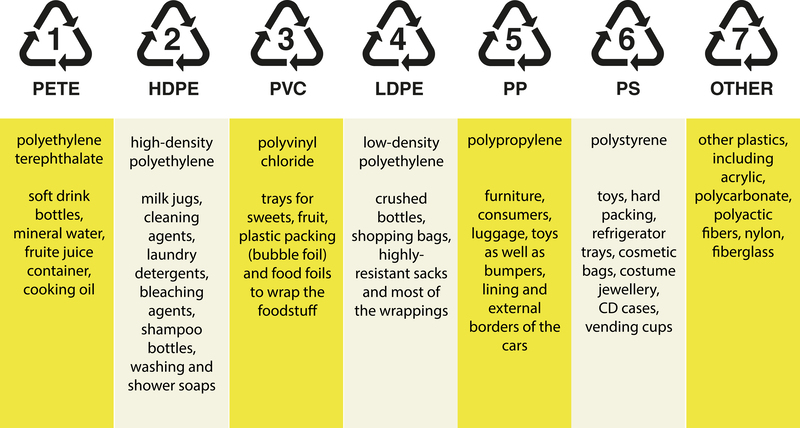
Table of Contents
- Why This Topic Matters
- Key Benefits
- Step-by-Step Guidance
- Expert Tips
- Common Mistakes to Avoid
- Case Study or Real-World Example
- Tools, Resources & Recommendations
- Law, Compliance or Industry Standards (UK-focused)
- Checklist
- Conclusion with CTA
- FAQ
Why This Topic Matters
Packaging is unavoidable. It protects products, keeps food safe, and makes delivery possible. But when it comes to disposal, the UK's mix of materials, local variations in collection services, and ever-changing labels can be... confusing. According to UK government statistics published in recent years, packaging waste runs into the tens of millions of tonnes annually, with cardboard and paper forming a large share. Recycling rates have improved decade by decade, yet contamination remains a persistent issue that lowers quality and pushes up costs across the system.
Here's the kicker: when "what goes where" is done right--especially for cardboard and other paper-based packaging--the environmental and financial benefits are immediate. Clean, dry cardboard is one of the easiest materials to recycle efficiently. But get it wet, greasy, or mixed with food, and its value tanks. Ever left a stack of boxes in a rainy yard overnight? You could almost smell the damp fibre the next morning. And that's valuable material lost to general waste or energy recovery, when it could have been turned into new boxes in a matter of weeks.
There's also a duty to get this right. In the UK, businesses have a legal Duty of Care for waste, and households are increasingly encouraged to follow local guidance. With Extended Producer Responsibility reforms gathering pace, consistency should improve--but for now, knowing your materials and your local rules is essential.
A small story: a Hackney flatmate told me she'd been saving every bit of bubble wrap "for recycling" in the wrong bin for months. She wasn't trying to be difficult; she was trying to be good. It's human. It's kinda wild how small bits of knowledge fix big habits.
Key Benefits
Getting Packaging and Cardboard Disposal: What Goes Where right isn't just about feeling virtuous. It's about tangible wins you'll notice quickly.
- Lower costs: Clean, separated cardboard takes up less space when flattened and baled, reducing collection frequency. Some businesses even earn rebates for baled OCC (old corrugated cardboard).
- Compliance and peace of mind: Following the Waste Hierarchy and Duty of Care rules keeps you on the right side of UK law. Less admin stress, fewer fines.
- Operational efficiency: Clear bin signage and simple routines reduce internal confusion. Fewer "where does this go?" interruptions.
- Environmental impact: Recycling quality fibre avoids virgin resource use, saves energy and water, and cuts carbon compared to manufacturing from scratch.
- Cleaner spaces, safer sites: Keep it dry and you reduce fire risk, pests, and that musty, dusty smell around back-of-house areas.
- Brand trust: Customers notice tidy, transparent sustainability practices. Especially in the UK, where recycling is a social norm now, not a novelty.
One micro moment: I once walked into a small cafe near London Bridge--the corrugated stack was flat, tied, and tucked away from the coffee grind waste. Efficient. It felt calm. Clean, clear, calm. That's the goal.
Step-by-Step Guidance
This is the heart of it. We'll break it down for households and businesses and then drill into specific materials. If you follow nothing else, follow this section. You'll see why.
For Households: Simple Routine, Big Results
- Identify your local rules. Check your council's kerbside guidance (varies by borough or district). Look for accepted materials, whether cardboard needs to be flattened, and if soft plastics are collected.
- Set up two spots at home. One for clean/dry paper and cardboard; one for mixed containers (e.g., plastic bottles, cans). Keep food waste separate to avoid contamination.
- Flatten boxes immediately. Step on them gently, remove bulky inserts. If they're big, cut them with scissors so they fit your box or wheelie bin.
- Peel off heavy tape and remove plastic film windows if easy. Don't obsess over every tiny bit--small amounts of tape or labels are usually okay--but remove what you reasonably can.
- Keep it dry. Store your recycling inside or under cover. Wet cardboard can downgrade or be rejected. If it's raining hard, wait a day if you can.
- Use OPRL labels. Many products now carry the On-Pack Recycling Label: "Recycle," "Recycle at Store," "Don't Recycle." Trust it more than guesswork.
- Problem items? Segregate. Greasy pizza boxes, foil-lined pouches, and polystyrene usually belong elsewhere. We'll detail these below.
Ever tried clearing a room and found yourself keeping everything "just in case"? Sorting packaging is the opposite--move it on quickly, cleanly, and your home breathes again.
For Businesses: Systemise and Save
- Map your waste streams. Walk the site. List the materials you generate: corrugated cases (OCC), mixed paper, plastic film, bubble wrap, EPS (polystyrene), cans, glass, wood pallets.
- Follow the Waste Hierarchy. Prevent and reduce first (right-sizing boxes, switching from EPS to recyclable fillers), then reuse, then recycle.
- Create stations. Place clearly labelled bins where waste arises: packing benches, goods-in, canteen. Use colour-coded lids and simple icons.
- Flatten and bale. If volume is moderate to high, use a small baler for OCC. Bales reduce collections and can attract rebates. Keep bales dry and off the ground.
- Train your team. Short toolbox talks, 5-minute refreshers. Explain "why," not just "what." People care when they understand the impact.
- Track weights and costs. Set a baseline. Note your bin sizes (240L, 660L, 1100L) and collection frequency. Aim to reduce general waste uplifts month over month.
- Document compliance. Keep Waste Transfer Notes, your carrier's licence number, and EWC codes handy (e.g., 15 01 01 for paper/cardboard packaging). Store records for two years.
A small warehouse in Tottenham I visited had a simple ritual: first thing after goods-in, they'd flatten and stack boxes on a pallet, shrink-wrap once a day, then bale every Friday. The space felt bigger--and their bills got smaller. To be fair, the forklift driver was proud of those square bales.
What Goes Where: The Definitive UK Cheat Sheet
Cardboard & Paper Packaging
- Corrugated cardboard boxes (OCC): Flatten, remove excess tape, keep dry. Recycle in paper/cardboard stream.
- Paperboard cartons (e.g., cereal boxes): Remove plastic liners; flatten; recycle with paper/cardboard.
- Brown paper, kraft mailers (without bubble lining): Recycle with paper/cardboard.
- Envelopes with plastic windows: Most councils accept these in paper/cardboard. Remove the window if easy; not essential everywhere.
- Greasy or food-soiled cardboard (e.g., pizza boxes): If heavily soiled or cheesy, put in general waste or food waste (if accepted). Clean lid can be torn off and recycled.
- Shiny or glitter-coated cards: Often not recyclable due to coatings. Use general waste unless your council says otherwise.
Composite & Speciality Packaging
- Drink cartons (Tetra Pak-type): Many councils collect at kerbside; others require bring banks/HWRC. Check local guidance. Rinse and flatten if possible.
- Paper mailers with bubble lining: Usually mixed-material; if labelled "separable," remove the bubble layer and recycle the paper part. Otherwise, general waste or check "Recycle at Store" for the plastic inner.
- Waxed or heavily coated card (e.g., some produce boxes): Often not recyclable in paper stream. Confirm locally; if in doubt, general waste.
Plastic Packaging
- Rigid plastics (bottles, tubs, trays): Rinse quickly; check local rules on black plastic trays and film lids. Many areas accept clear PET/PP, but not all films.
- Soft plastics & films (shrink wrap, bread bags, bubble wrap): Growing number of supermarkets accept these via "Recycle at Store". Kerbside acceptance varies. Bubble wrap is usually not kerbside unless stated.
- Polystyrene (EPS): Rarely accepted kerbside. Use general waste, or find a specialist recycler if volumes are high (common for electronics/appliance deliveries).
- Compostable/biodegradable bags & mailers: Unless your council collects food/garden waste that accepts certified compostables, do not put in paper/plastic recycling. They can contaminate.
Metals & Glass
- Aluminium cans & foil: Rinse; scrunch foil into a ball. Most kerbside schemes accept.
- Steel cans: Rinse and recycle. Easy win.
- Glass bottles & jars: Rinse; remove lids if advised locally (often they're recycled too). Keep separate if your council requires.
Wood & Pallets
- Wooden pallets: Reuse or return to supplier. Many pallet companies collect, repair, and recirculate. Only as a last resort, dispose via bulky waste or specialist recycler.
- Wooden crates: Same principle--reuse, then recycle, then dispose.
Labels, Tape, Staples
- Clear tape, labels, small staples: Remove heavy amounts, but don't panic over small bits--the recycling process screens these out. Keep it reasonable.
- Excessive plastic strapping: Cut and remove from boxes before recycling; save for "Recycle at Store" if accepted locally as PP strapping (varies), otherwise general waste.
This is where people usually sigh with relief--because most of it is common sense once you see it laid out. And yes, we've all been there.
Expert Tips
- Keep cardboard dry. Always. Moisture damages fibre quality and can cause bales to heat internally. Store under cover; avoid placing bins under leaky gutters.
- Right-size your packaging. Overboxing creates more waste and shipping cost. Use box sizers or fit-to-product options; swap void-fill for paper where possible.
- Use OPRL as your north star. The UK's On-Pack Recycling Label is designed to reduce confusion and is widely adopted by brands and retailers.
- Flatten on arrival. When deliveries arrive, flatten boxes immediately. It reduces trip hazards and keeps areas tidy.
- Don't over-wash. A quick rinse beats a long soak. Water conservation matters too. If in doubt: remove food residues, not every speck.
- Bale size matters. For businesses, target consistent bale sizes and weights per your recycler's preferred spec. Better bales, better rebates.
- Seasonal surges need a plan. Black Friday, Christmas, summer sales. Book extra collections or add temporary cages to avoid overflow--and complaints.
- Internal comms. A monthly "recycling tip" photo in the staff chat works wonders. Make it friendly, not preachy.
There's a quiet satisfaction in a well-run recycling area. You can almost hear it: the gentle thud of a box flattening, the clean slide into the right bin. Order from chaos.
Common Mistakes to Avoid
- Bagging recyclables in black sacks. Many MRFs (Materials Recovery Facilities) can't or won't open opaque bags. Loose in the bin is best unless your council asks otherwise.
- Leaving food in containers. Residue causes odour, pests, and contamination. Rinse quickly; let dry.
- Putting wet card out in the rain. If the forecast is grim, keep it inside until the morning. Damp fibre = downgraded material.
- Mixing EPS with cardboard. Polystyrene slips into bales and gets rejected. Keep EPS separate and seek specialist options if you generate a lot.
- Assuming compostable equals recyclable. Different system, different destination. Check your council's food/garden waste rules.
- Ignoring local rules. UK councils vary. What's accepted in Camden might differ in Croydon. Two streets, two systems--it happens.
Ever rushed and tossed "whatever" into the nearest bin? Same. Slow down for ten seconds and you'll save ten headaches later.
Case Study or Real-World Example
Case: Shoreditch E-commerce Brand Cuts Waste Costs by 32%
Background: A growing fashion e-commerce brand in Shoreditch processed around 400-600 parcels a day. Their small warehouse felt cramped, and general waste bills were climbing. Staff were tossing bubble wrap and film with cardboard, and boxes weren't flattened consistently. You could smell the stale cardboard dust when the roller door opened on a rainy afternoon.
What we changed:
- Three-stream setup: OCC-only cages by the packing benches, a "soft plastics" bag for film and bubble wrap (to take to supermarket front-of-store collection), and a small bin for general waste.
- Baler install: A compact vertical baler with training. Target: two bales a week, kept under cover.
- Signage & micro-training: Photo-led posters. A 10-minute briefing per shift with a weekly "bin audit" score.
- Packaging redesign: Switched to right-sized boxes, paper void-fill, and an OPRL-compliant mailer range.
Results after 12 weeks:
- General waste uplifts down 40%.
- Cardboard rebates introduced: Modest but real--offsetting baler rental.
- Space recovered: 8 square metres freed by eliminating bulky, unflattened box piles.
- Staff feedback: "It's easier. Feels less messy." A small win, but morale matters.
Lesson: simple systems, consistent training, and keeping OCC dry transformed costs and culture. It wasn't glamorous, but it worked.
Tools, Resources & Recommendations
For Households
- Storage: A collapsible crate or tote for flattened card until collection day.
- Cutters & scissors: For large boxes; keep it safe and neat.
- OPRL label guide: Learn the icons--"Recycle," "Recycle at Store," "Don't Recycle." Quick, reliable.
- Supermarket collection: Many UK supermarkets accept soft plastics and films at front-of-store points.
For Businesses
- Baler/Compactor: Right-size to your volume; small vertical balers suit many SMEs. Ask for training and bale wire specs.
- Bin fleet: 240L, 660L, 1100L wheelie bins; lockable lids if outdoors. Clear labels and icons reduce errors.
- Pallet & cage management: Designate a dry area for OCC pallets and cage storage. Keep off the floor to avoid moisture.
- Signage: Photo-led, multilingual if needed. Place at eye level at the point of disposal.
- Data & audits: Simple spreadsheets or apps to track weights, contamination incidents, and collection days. Small habit, big clarity.
Where to Learn More
- WRAP & Recycle Now: Practical UK guidance on materials and local collections.
- OPRL: On-Pack Recycling Label scheme, widely used by retailers and brands for clear consumer info.
- Your council website: The definitive local rules for kerbside recycling, HWRC sites, and bring banks.
- Trade associations & recyclers: Many offer free site assessments for businesses, including baler trials and bin right-sizing.
One note from experience: a 5-minute walkaround with your waste provider can reveal simple fixes--like moving a bin 3 metres to the left. It matters more than you'd think.
Law, Compliance or Industry Standards (UK-focused if applicable)
UK waste law aims to push materials up the waste hierarchy: Prevent > Reuse > Recycle > Recover > Dispose. For Packaging and Cardboard Disposal: What Goes Where, a few regulations and norms matter:
- Environmental Protection Act 1990 (Duty of Care): Businesses must ensure waste is managed safely and legally, using licensed carriers and appropriate disposal.
- Waste (England and Wales) Regulations 2011 (and devolved equivalents): Embed the waste hierarchy in decision-making; require separate collections for paper/cardboard where practicable.
- Producer Responsibility Obligations (Packaging Waste) Regulations 2007 (as amended): Packaging producers must contribute to recovery/recycling targets via PRNs/PERNs. Extended Producer Responsibility (EPR) reforms are phasing in to improve data and cost allocation.
- Waste Carrier Licence: Anyone transporting waste as part of their business needs an appropriate registration. Always check your contractor's licence.
- Waste Transfer Notes (WTNs): Required for each non-hazardous waste movement between businesses. Keep for at least two years. Include EWC codes (e.g., 15 01 01 for paper/cardboard packaging; 15 01 02 for plastic packaging; 15 01 06 for mixed packaging).
- OPRL scheme: Industry-standard consumer labelling to guide disposal. While voluntary, it's widely accepted and improves accuracy.
- Fire safety & storage: Local guidance and insurer requirements often specify storing cardboard away from heat sources and escape routes. Keep bales and stacks dry and stable.
If you operate across the UK, note that Scotland, Wales, and Northern Ireland may have different implementation timelines or local requirements. Check local guidance--saves you headaches later.
Checklist
Use this quick list each week--at home or at work.
- Boxes flattened? Yes/No
- Cardboard dry? Yes/No
- Heavy tape/strapping removed? Yes/No
- Soft plastics separated for "Recycle at Store"? Yes/No
- Greasy food card diverted? Yes/No
- Bins right-sized and labelled? Yes/No
- Collections booked pre-peak? Yes/No
- WTNs and licences up to date (for businesses)? Yes/No
- OPRL checked on new packaging? Yes/No
Miss a box or two? Don't beat yourself up. Adjust and move on. Progress, not perfection.
Conclusion with CTA
Sorting Packaging and Cardboard Disposal: What Goes Where isn't about memorising a thousand rules. It's about a few reliable habits: keep it dry, flatten it, follow OPRL, and respect local guidance. Do that, and you'll save money, keep your space tidy, and protect resources. It's everyday sustainability--done right.
Whether you're in a cosy flat in Manchester or running a busy warehouse near Heathrow, the same truth holds: clarity beats confusion, every time. You'll feel the difference, and so will your bins.
Get a free quote today and see how much you can save.
Take a breath. You've got this.
FAQ
Can wet cardboard be recycled?
Usually no. Wet cardboard loses fibre quality and can mould, reducing its recyclability and value. Let it dry fully or keep it indoors until collection day. If it's heavily soaked and damaged, it may need to go to general waste.
Do I need to remove all tape and labels from boxes?
No--only remove heavy amounts. Small bits of tape, labels, or staples are typically screened out in the recycling process. Aim for "reasonable" removal so boxes are mostly clean fibre.
What should I do with greasy pizza boxes?
Tear off the clean lid for paper/card recycling and put the greasy base in general waste (or food waste if your council accepts it). Grease contaminates paper fibres.
Are paper padded mailers recyclable?
Paper-only padded mailers (no plastic bubble) can go in paper/card. If there's a bubble lining, check the OPRL label--some are separable, but many are not and belong in general waste or "Recycle at Store" for the plastic inner.
Can I recycle bubble wrap and plastic film at the kerbside?
Kerbside acceptance varies and is limited in many areas. Most major UK supermarkets now offer "Recycle at Store" collection points for many soft plastics, including bubble wrap. Check the label and your local store policy.
Is polystyrene (EPS) recyclable?
Not usually via kerbside. For small amounts, use general waste. Businesses with high volumes should contact specialist recyclers--densifiers and take-back schemes exist for EPS.
What about Tetra Pak and similar cartons?
Many councils collect cartons at the kerbside; others use bring banks or HWRCs. Rinse, flatten if possible, and follow local guidance. The material is recyclable at specialist facilities.
How do businesses document compliance?
Keep Waste Transfer Notes for each movement, include the correct EWC codes (e.g., 15 01 01 for paper/cardboard), and verify your carrier's licence. Store records for two years and review annually.
Do compostable bags go in recycling?
No. Compostable and biodegradable plastics are not the same as recyclable plastics. If your council accepts certified compostables in food/garden waste, place them there; otherwise, general waste.
What bin sizes are best for small businesses?
Common sizes are 240L, 660L, and 1100L wheelie bins. If cardboard volume is high, consider a cage or a small baler instead--bales optimise storage and reduce collections.
Can I get money for my cardboard?
Potentially. Clean, baled OCC can attract a rebate depending on market conditions and volume. Speak with local recyclers or brokers. Keeping bales dry and well-presented improves your position.
Black plastic trays--recyclable or not?
It depends on your local council. Some have phased out acceptance due to sorting challenges. Check local guidance and favour clear PET/PP trays when choosing products.
Are receipts or glossy magazines recyclable?
Most glossy magazines are recyclable. Thermal paper receipts are often not ideal; many councils advise placing them in general waste. When in doubt, check local council guidance.
How can I handle overflow during holidays?
Flatten boxes aggressively, book extra collections, and use temporary cages if you're a business. Households can visit HWRCs for excess recycling. Plan ahead when you know big deliveries are coming.
What are the UK EWC codes for common packaging waste?
Typical codes include 15 01 01 (paper/cardboard), 15 01 02 (plastic packaging), 15 01 04 (metal packaging), 15 01 07 (glass packaging), and 15 01 06 (mixed packaging). Always confirm with your waste contractor.
If the OPRL label says "Recycle at Store," what does that mean?
Take that packaging--usually soft plastic film--to participating supermarkets with front-of-store collection points. It's not kerbside, but it is recyclable through those schemes.
Is shredded paper recyclable?
Often yes, but it can cause handling issues at MRFs. Many councils ask for it to be bagged in paper or placed in specific caddies. Check local rules. For businesses, consider secure shredding services for confidential documents.
Do I need to wash jars and cans perfectly?
No. A quick rinse to remove food residue is enough. Let them drain. Don't waste water trying to make them spotless.
What's the simplest way to teach my team?
Use photo-led signage at the point of disposal, do 10-minute onboarding refreshers, and run a monthly bin audit with a friendly score. Keep it visual and quick.
That's the lot. If you've read this far, you care--and that already puts you ahead. One box at a time, one habit at a time. Onwards.
